This by far outweighs my other experience
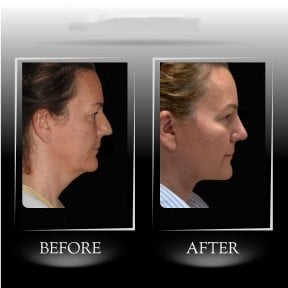
Мен Ыстамбұлда доктор Сафа Манавпен бірге бет әлпетін және майды ауыстыруды таңдадым және мен бұрын Стамбулда басқа клиникада липосакция, ерін көтеру және жіптерге операция жасаған пациентпін. Сондықтан салыстыру мен үшін өте қызықты болды. Мен басқа емхананың атын атамаймын, бірақ доктор Манав алда көшелер екенін айтамын. Менің операцияға бар болғаны төрт күн болды, бірақ мен араласқандардың барлығына қатты әсер еттім. Сіз өз еліңізде болғанда what's қолданбасын басқаратын Delfe what's қолданбасында түсінікті және жылдам. Келгеннен кейін жүргізуші мені жинап алды, машинада теледидар, WiFi, су және өте сыпайы жүргізуші бар. Содан кейін мен Элифті (толық аты-жөні Элиф билге явуз) кездестірдім, ол сіздің үйлестірушіңіз. Ол ағылшын тілінде мінсіз сөйлейді және бәрін түсінеді, ақылды және эмпатикалық және мен доктор Манав өзінің жеңіс клиникасын ашқан кезде оны неге өзімен бірге алып кеткенін толық түсінемін. Әйел – күш иесі. Ол бірінші күні жүрек сынағы мен қан анализін тапсырып жатқанда, сіз оның қолында толық қауіпсіз сезінесіз, осылайша олар операция жасаудың қауіпсіз екенін анықтай алады. Консультация кезінде мен доктор Сафа Манавты сынап көрдім, одан мені онша қызықтырмайтын және маған қажет емес екенін білетін қосымша процедуралар туралы сұрадым. Мен емхананы тек ақша қызықтыра ма деп білгім келді. Ол бірден маған бұл процедураларды жасамауға кеңес берді, олар қажет емес және маған қажет емес. Шындығында маған процедуралардың бірін мүлдем жасамауға кеңес берді, өйткені ол мені ешқашан қажет ететінін ешқашан көре алмады. Бұл мені емхана мен оның басымдықтары қай жерде екеніне толық сендірді ... оның банктік шотымен емес, пациенттерімен. Мен сондай-ақ менің табиғи көрінетінімді қадағалайтын дәрігерді қалаймын, өйткені маған үлкен еріндердің немесе тым кішкентай мұрынның үстіңгі көрінісі ұнамайды және мен оның табиғи нәрселерді сақтауды жақсы көретінін көрдім. Бұл да мен үшін өте маңызды болды. Бірақ, әрине, кейбір пациенттер бұл табиғи емес көріністі жақсы көретінін түсінемін. Ол кеңесте нақты және анық болды. Мен оны кейінірек ескі импланттарды да алып тастау үшін жалдау туралы ойладым, сондықтан біз бұл туралы да сөйлестік. Операцияның таңертеңі маған оның операция жасаған жалғыз адам екенімді айтты, ол да өте жұбаныш болды. Ол мені екі рет тексеруге келіп, сендірді. Аурухана мінсіз. Бұл бес жұлдызды қонақүй сияқты. Менде люкс бөлмесі бар жеке бөлмем және доктор Манавтың өз медбикем, сондай-ақ аурухананың медбикелері болды. Мен түймені бассам, олар бірден келді. Олар мен ауруханада болған 24 сағат бойы үнемі үнемі тексеріп тұратын. Есірткі енгізудің қажеті болмаса да, олар сағат тілі сияқты мені тексеруге келді. Менде аз ісік және аз ауырсыну болды, бірақ менің ойымша, әр науқас әртүрлі. Операция күні кешке мен ешқандай қолдаусыз дәліздерді аралап жүрдім, тіпті фильмді де көретін болдым. Бұл мүлдем күтпеген болды. Бірақ, әрине, мен әркім әртүрлі емдейтіндіктен, сіз бірдей боласыз деп ойламас едім. Мен қазір Antwell қонақүйіне қайта оралдым. Күн сайын Элиф немесе досы Буса мені тексеруге келеді. Суреттерді олар дәрігерге жіберіп, таңғыштарды тексереді. Күнделікті есірткі қабылдауды есіме түсіргенімді тексеріңіз. Күнде бір бұрыш келеді, ол тіпті бірдеңе жедім бе, серуендеймін бе деп сұрайды. Қонақ үй пәтерлі қонақ үй. Менде тіпті кір жуғыш және кептіргіш және ыдыс жуғыш машина бар . Бұл мінсіз таза, ғимаратта медбикелер бар және әр бөлмеде жедел жәрдем бар. Смарт теледидар және басқарылатын жылыту. Мейрамханалар, бассейн, СПА, кітапхана, кинотеатр бөлмесі, шатырлы террассалар және тіпті өнер бөлмесі бар. Қызметкерлер керемет. Менің динамик зарядтау сымы үзіліп, консьерж маған жаңа электр сымын әкелуге шықты. Бір сағат ішінде. Өйткені сыртта серуендеуге күш-қуатым жетпеді. Мұндағы қонақтардың көпшілігі пациенттер, сондықтан сіз адамдарды дәлізде, лифтте, кафеде кездестіресіз, бірақ егер сіз құпиялылықты қаласаңыз, бұл да құрметтеледі. Жаяу бес минуттық жерде үлкен сауда орталығы бар, ол Emaar Mall деп аталады. Бұл тамаша сауда орталығы. Операциядан кейін екі күннен кейін мен оны үш сағат бойы жалғыз серуендей алатындай сезіндім. Қонақ үй жанында бірнеше кафелер де бар. Операцияның нәтижесін әлі көрген жоқпын, өйткені әлі таңылғанмын. Дегенмен, команданың кәсіби көзқарасы, тазалығы, оның жұмыс істеу тәсілі, қызметкерлердің мінез-құлқы, тұруы және көлігі мен оны кінәлай алмаймын. Мен салыстыра аламын, өйткені мен бұрын осында болдым және Стамбулда операция жасадым. Бұл менің басқа тәжірибемнен әлдеқайда асып түседі. Ал менің басқа тәжірибем мүлде жаман болған жоқ. Сондай-ақ, аурухана қызметкерлері керемет болды деп айтқым келеді. Мен теңізде өмір сүремін және көптеген елдерде 53 жыл бойы ауруханаларда тәжірибелі қызметкерлерге ие болдым. Қызметкерлер жұмысынан ләззат алатын сияқты, олар шынымен қамқорлық жасайтын сияқты. Өкінішке орай, мен мұны Ұлыбританияда, Үндістанда, Камбоджада немесе Испанияда көрген емеспін. Көптеген адамдар интернетте атақ пен байлыққа ұмтылып, қалыпты жұмысқа қызығушылық танытпайтын әлемде күтім көрсету саласында қызмет ететін, ауыр және ұзақ жұмыс істейтін және одан ләззат алып, таңғажайып жұмыс істеп жатқан 20 жастан асқан адамдарға куә болу керемет болды. Мен бұған куә болғаныма бұдан артық алғыс айта алмаймын. Олардың барлығы марапатқа лайық және олардан әлдеқайда көп тануға лайық. Ақырында, мен қалпына келген кезде қайталама шолу жазамын, ол нақты операцияның нәтижелері туралы болады. Бұл пікір жазу үшін маған ақша төленген жоқ. Мен Доктор Манав клиникасында ешкімді танымаймын. Бұл менің жеке тәжірибемнің шынайы шолуы.
Элиф таңғажайып Қорғаушылар сізге тез оралды. Қонақ үй
Басқа емделушілермен кездесіп, кешкі асқа баруды қалайтын едім
Bookimed қызметі туралы
Мен Ыстамбұлда доктор Сафа Манавпен бірге бет әлпетін және майды ауыстыруды таңдадым және мен бұрын Стамбулда басқа клиникада липосакция, ерін көтеру және жіптерге операция жасаған пациентпін. Сондықтан салыстыру мен үшін өте қызықты болды. Мен басқа емхананың атын атамаймын, бірақ доктор Манав алда көшелер екенін айтамын. Менің операцияға бар болғаны төрт күн болды, бірақ мен араласқандардың барлығына қатты әсер еттім. Сіз өз еліңізде болғанда what's қолданбасын басқаратын Delfe what's қолданбасында түсінікті және жылдам. Келгеннен кейін жүргізуші мені жинап алды, машинада теледидар, WiFi, су және өте сыпайы жүргізуші бар. Содан кейін мен Элифті (толық аты-жөні Элиф билге явуз) кездестірдім, ол сіздің үйлестірушіңіз. Ол ағылшын тілінде мінсіз сөйлейді және бәрін түсінеді, ақылды және эмпатикалық және мен доктор Манав өзінің жеңіс клиникасын ашқан кезде оны неге өзімен бірге алып кеткенін толық түсінемін. Әйел – күш иесі. Ол бірінші күні жүрек сынағы мен қан анализін тапсырып жатқанда, сіз оның қолында толық қауіпсіз сезінесіз, осылайша олар операция жасаудың қауіпсіз екенін анықтай алады. Консультация кезінде мен доктор Сафа Манавты сынап көрдім, одан мені онша қызықтырмайтын және маған қажет емес екенін білетін қосымша процедуралар туралы сұрадым. Мен емхананы тек ақша қызықтыра ма деп білгім келді. Ол бірден маған бұл процедураларды жасамауға кеңес берді, олар қажет емес және маған қажет емес. Шындығында маған процедуралардың бірін мүлдем жасамауға кеңес берді, өйткені ол мені ешқашан қажет ететінін ешқашан көре алмады. Бұл мені емхана мен оның басымдықтары қай жерде екеніне толық сендірді ... оның банктік шотымен емес, пациенттерімен. Мен сондай-ақ менің табиғи көрінетінімді қадағалайтын дәрігерді қалаймын, өйткені маған үлкен еріндердің немесе тым кішкентай мұрынның үстіңгі көрінісі ұнамайды және мен оның табиғи нәрселерді сақтауды жақсы көретінін көрдім. Бұл да мен үшін өте маңызды болды. Бірақ, әрине, кейбір пациенттер бұл табиғи емес көріністі жақсы көретінін түсінемін. Ол кеңесте нақты және анық болды. Мен оны кейінірек ескі импланттарды да алып тастау үшін жалдау туралы ойладым, сондықтан біз бұл туралы да сөйлестік. Операцияның таңертеңі маған оның операция жасаған жалғыз адам екенімді айтты, ол да өте жұбаныш болды. Ол мені екі рет тексеруге келіп, сендірді. Аурухана мінсіз. Бұл бес жұлдызды қонақүй сияқты. Менде люкс бөлмесі бар жеке бөлмем және доктор Манавтың өз медбикем, сондай-ақ аурухананың медбикелері болды. Мен түймені бассам, олар бірден келді. Олар мен ауруханада болған 24 сағат бойы үнемі үнемі тексеріп тұратын. Есірткі енгізудің қажеті болмаса да, олар сағат тілі сияқты мені тексеруге келді. Менде аз ісік және аз ауырсыну болды, бірақ менің ойымша, әр науқас әртүрлі. Операция күні кешке мен ешқандай қолдаусыз дәліздерді аралап жүрдім, тіпті фильмді де көретін болдым. Бұл мүлдем күтпеген болды. Бірақ, әрине, мен әркім әртүрлі емдейтіндіктен, сіз бірдей боласыз деп ойламас едім. Мен қазір Antwell қонақүйіне қайта оралдым. Күн сайын Элиф немесе досы Буса мені тексеруге келеді. Суреттерді олар дәрігерге жіберіп, таңғыштарды тексереді. Күнделікті есірткі қабылдауды есіме түсіргенімді тексеріңіз. Күнде бір бұрыш келеді, ол тіпті бірдеңе жедім бе, серуендеймін бе деп сұрайды. Қонақ үй пәтерлі қонақ үй. Менде тіпті кір жуғыш және кептіргіш және ыдыс жуғыш машина бар . Бұл мінсіз таза, ғимаратта медбикелер бар және әр бөлмеде жедел жәрдем бар. Смарт теледидар және басқарылатын жылыту. Мейрамханалар, бассейн, СПА, кітапхана, кинотеатр бөлмесі, шатырлы террассалар және тіпті өнер бөлмесі бар. Қызметкерлер керемет. Менің динамик зарядтау сымы үзіліп, консьерж маған жаңа электр сымын әкелуге шықты. Бір сағат ішінде. Өйткені сыртта серуендеуге күш-қуатым жетпеді. Мұндағы қонақтардың көпшілігі пациенттер, сондықтан сіз адамдарды дәлізде, лифтте, кафеде кездестіресіз, бірақ егер сіз құпиялылықты қаласаңыз, бұл да құрметтеледі. Жаяу бес минуттық жерде үлкен сауда орталығы бар, ол Emaar Mall деп аталады. Бұл тамаша сауда орталығы. Операциядан кейін екі күннен кейін мен оны үш сағат бойы жалғыз серуендей алатындай сезіндім. Қонақ үй жанында бірнеше кафелер де бар. Операцияның нәтижесін әлі көрген жоқпын, өйткені әлі таңылғанмын. Дегенмен, команданың кәсіби көзқарасы, тазалығы, оның жұмыс істеу тәсілі, қызметкерлердің мінез-құлқы, тұруы және көлігі мен оны кінәлай алмаймын. Мен салыстыра аламын, өйткені мен бұрын осында болдым және Стамбулда операция жасадым. Бұл менің басқа тәжірибемнен әлдеқайда асып түседі. Ал менің басқа тәжірибем мүлде жаман болған жоқ. Сондай-ақ, аурухана қызметкерлері керемет болды деп айтқым келеді. Мен теңізде өмір сүремін және көптеген елдерде 53 жыл бойы ауруханаларда тәжірибелі қызметкерлерге ие болдым. Қызметкерлер жұмысынан ләззат алатын сияқты, олар шынымен қамқорлық жасайтын сияқты. Өкінішке орай, мен мұны Ұлыбританияда, Үндістанда, Камбоджада немесе Испанияда көрген емеспін. Көптеген адамдар интернетте атақ пен байлыққа ұмтылып, қалыпты жұмысқа қызығушылық танытпайтын әлемде күтім көрсету саласында қызмет ететін, ауыр және ұзақ жұмыс істейтін және одан ләззат алып, таңғажайып жұмыс істеп жатқан 20 жастан асқан адамдарға куә болу керемет болды. Мен бұған куә болғаныма бұдан артық алғыс айта алмаймын. Олардың барлығы марапатқа лайық және олардан әлдеқайда көп тануға лайық. Ақырында, мен қалпына келген кезде қайталама шолу жазамын, ол нақты операцияның нәтижелері туралы болады. Бұл пікір жазу үшін маған ақша төленген жоқ. Мен Доктор Манав клиникасында ешкімді танымаймын. Бұл менің жеке тәжірибемнің шынайы шолуы.