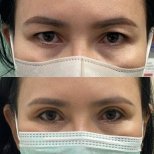
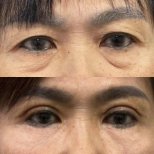
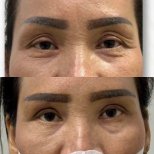
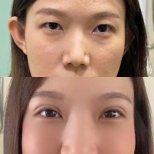
Медициналық туризм бойынша жетекші жаһандық платформа ретінде біз клиенттеріміздің, яғни пациенттер мен медициналық орталықтардың алдында үлкен жауапкершілікті сезінеміз. Bookimed.com сайтында ұсынылған барлық ақпарат зерттеулерге, болжамдарға және сараптамалық білімге негізделген, өнімге қатысты жоғары қызығушылықты қанағаттандырады және келесі талаптарға сай келеді:
Біз жоғарғы және төменгі қабаққа ота жасау бойынша клиникалар мен дәрігерлердің тізімін ақылды автоматты рейтинг жүйесінің қатаң ережелеріне сәйкес қалыптастырамыз. Жүйе клиникалар мен ондағы медициналық қызметтер туралы ең объективті және ашық ақпаратты ұсыну үшін нақты Bookimed пациенттерінің бағалауларына негізделген.
Біздің тәжірибелі деректер жөніндегі маман күнделікті деректерді жинақтайды, рейтинг жүйесінің жаңартылғанын және дәл нәтижелер беретінін қамтамасыз ету үшін машиналық оқыту мен жасанды интеллектті қолдана отырып, оны бақылайды және оңтайландырады.
Біз Bookimed клиенттерінің пікірлерін тек жоғарғы және төменгі қабаққа ота жасау бойынша клиникада медициналық қызмет алғаннан кейін ғана жинаймыз, сондықтан платформадағы әрбір адам таңдаған мекемесіне сене алады. Біз платформамыздағы мазмұнды барынша пайдалы етуге және сыни пікірлерді білдіру еркіндігін қамтамасыз етуге тырысамыз. Осылайша, біз болашақ клиенттеріміз үшін саналы шешім қабылдауға көмектесетін дереккөз болуды мақсат етіп, оң және теріс пікірлерді де жариялаймыз.
Жоғары сараптамалық деңгейі, беделі және сенімділігі бар тақырыптар
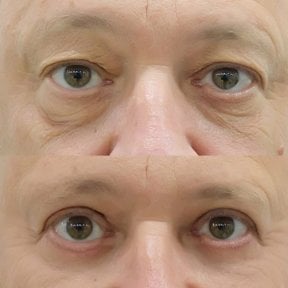
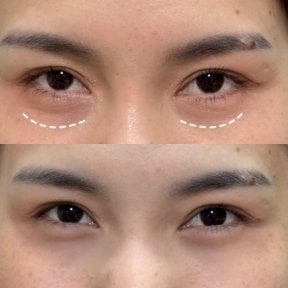
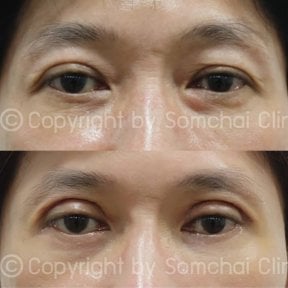
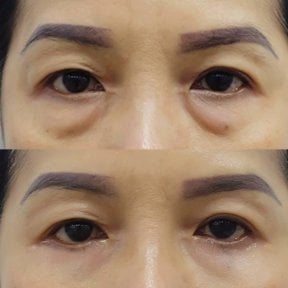
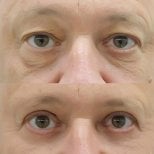
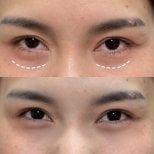
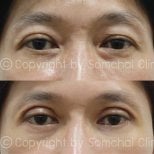
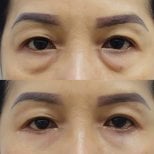
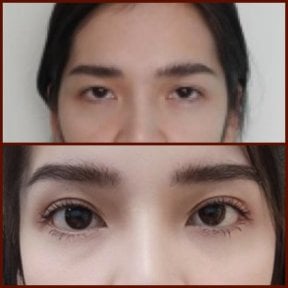
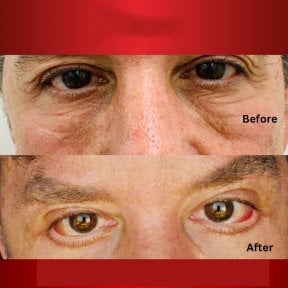
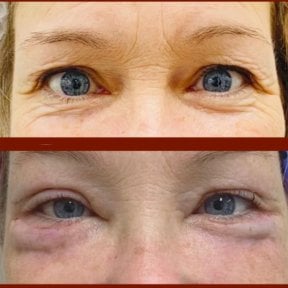
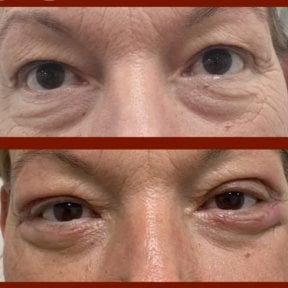
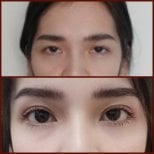
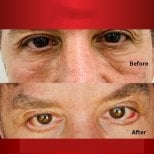
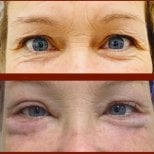
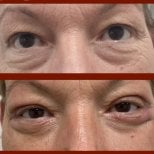
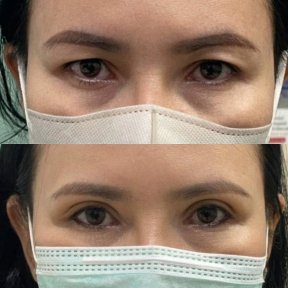
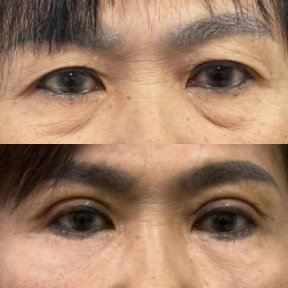
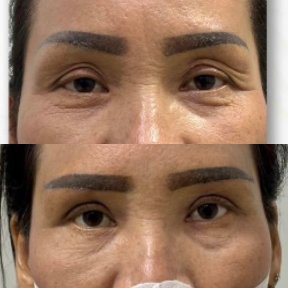
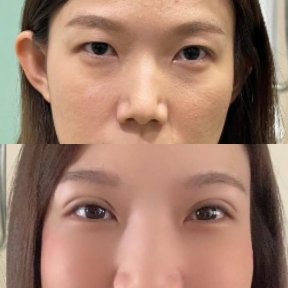
Bookimed.com сайтында сіз жоғарғы және төменгі қабаққа ота жасау бойынша үздік медициналық қызмет көрсетушілерден ең жақсы медициналық шешімдерді бір жерден және көбінесе бәсекеге қабілетті бағамен табудың ыңғайлылығын көре аласыз. Ең жаңа ақпаратты жеткізу үшін клиника өкілдері дәрігерлердің түйіндемелерін, клиникалардың мүмкіндіктерін, отаға дейінгі және кейінгі суреттерді, бағаларды, пакеттерді және арнайы ұсыныстарды өздері жаңартып отырады. Сенімділігіне көз жеткізу үшін әрбір клиниканың бетінде клиника өкілімен танысып, мазмұнның жаңартылған күнін тексере аласыз.
Біздің блог пен қолдау мақалалары медициналық жазу саласында кемінде 3 жылдық тәжірибесі бар кәсіби авторлармен жазылады және тиісті клиникалық және зерттеу тәжірибесі бар медициналық мамандармен редакцияланады — олардың барлығы командаға мұқият іріктелген. Біз пациенттердің денсаулық туралы ақпаратқа қолжетімділігін арттыруға, оны сараптамалық, бірақ түсінікті етуге тырысамыз. Барлық мақалалар Bookimed редакциялық нұсқаулығына сәйкес келеді.
Bookimed құндылықтары
Біз адамдардан құралғанбыз және адамдар үшін жұмыс істейміз — бұл біздің басты құндылығымыз. Сондықтан платформада ұсынылған барлық деректерді пациенттеріміз, серіктес клиникаларымыз және біздің команда, соның ішінде 20 жылдан астам тәжірибесі бар және жақсы беделге ие әлемге әйгілі дәрігерлерден тұратын Bookimed Медициналық консультативтік кеңесі үнемі жинақтап, редакциялап, қарап шығып, жаңартып отырады. Біз және біздің миссиямыз туралы көбірек біліңіз.
Егер сіз Таиландтағы жоғарғы және төменгі қабаққа ота жасау бойынша Bookimed.com сайтында ұсынылған ақпараттан қандай да бір қате тапсаңыз немесе сұрақтарыңыз болса, бізге marketing@bookimed.com мекенжайы бойынша хабарласыңыз.