Хирургия
| диагностика | |
|---|---|
| Онлайн-хирург кеңес беру | $112.48 |
Д-р Микаэль Бенуалид — Париждегі пластикалық және реконструктивті хирургия маманы. Оның тәжірибесі 16-шы округте, Эйфель мұнарасының жанында орналасқан. Ол бетке, денеге және кеудеге эстетикалық процедуралар жасайды. Клиника сонымен қатар хирургиялық емес эстетикалық медицина мен дерматологиялық хирургияны ұсынады. Д-р Бенуалид халықаралық пластикалық хирургтарды оқытады.
Операциялар HAS А класы бойынша мақұлданған Clinique Sainte-Geneviève клиникасында өтеді. Д-р Бенуалид сонымен қатар Paris Saint-Joseph аурухана қорының референттік дәрігері болып табылады. Ол Сорбонна университетінде хирургиялық анатомия және микрохирургия бойынша тереңдетілген оқудан өтті. Халықаралық пациенттер бастапқы бейнеконсультациялармен құрылымдалған күтім жолын алады. Бақылау сапарлары үш, алты және он екі айдан кейін жоспарланған. Барлық консультациялар ағылшын және француз тілдерінде қолжетімді.


 Клиника жаңа сұраулар қабылдамайды
 Орташа жауап уақыты - 5 минут
| диагностика | |
|---|---|
| Онлайн-хирург кеңес беру | $112.48 |
Мазмұн 18+
Көрсету
Мазмұн 18+
Көрсету
Мазмұн 18+
Көрсету
Мазмұн 18+
Көрсету
Мазмұн 18+
Көрсету
Мазмұн 18+
Көрсету
Мазмұн 18+
Көрсету
Мазмұн 18+
Көрсету
Мазмұн 18+
Көрсету
Мазмұн 18+
Көрсету
Мазмұн 18+
Көрсету
Д-р Микаэль Бенуалидтің кеңсесі — Париждегі жеке тәжірибе. Ол пластикалық, реконструктивті және эстетикалық медицинаға маманданған. Операциялар Clinique Sainte-Geneviève және Paris Saint-Joseph аурухана қорымен серіктестік арқылы жүзеге асырылады. Тәжірибе 16-шы округте, Эйфель мұнарасының жанында орналасқан.
Clinique Sainte-Geneviève — Жоғары денсаулық сақтау басқармасы (HAS) тарапынан мақұлданған А класындағы клиника. Бұл сертификат хирургиялық мекемелер үшін француздық қауіпсіздік стандарттарының сақталуын растайды. Д-р Микаэль Бенуалид — Paris Saint-Joseph-тегі мамандандырылған реконструктивті жұмыстар бойынша референттік дәрігер.
Д-р Микаэль Бенуалид пластикалық және реконструктивті хирургия бойынша DESC дипломына ие. Ол Еуропа бойынша француз және халықаралық пластикалық хирургтарды оқытады. Ол сонымен қатар басқа дәрігерлер үшін эстетикалық медицина бойынша сарапшы-жаттықтырушы ретінде қызмет етеді. Бұл оқыту рөлі Париж аурухана жүйесіндегі интерндерді қадағалауды қамтиды.
Клиника дене контурын түзетуге, кеуде хирургиясына және бетті жасартуға назар аударады. Әрбір хирургиялық жоспар BMI 30-дан төмен болуын және үш ай бойы салмақтың тұрақты болуын талап етеді. Пациенттер кез келген процедураға дейін және одан кейін төрт апта бойы темекі шегуді тоқтатуы керек.
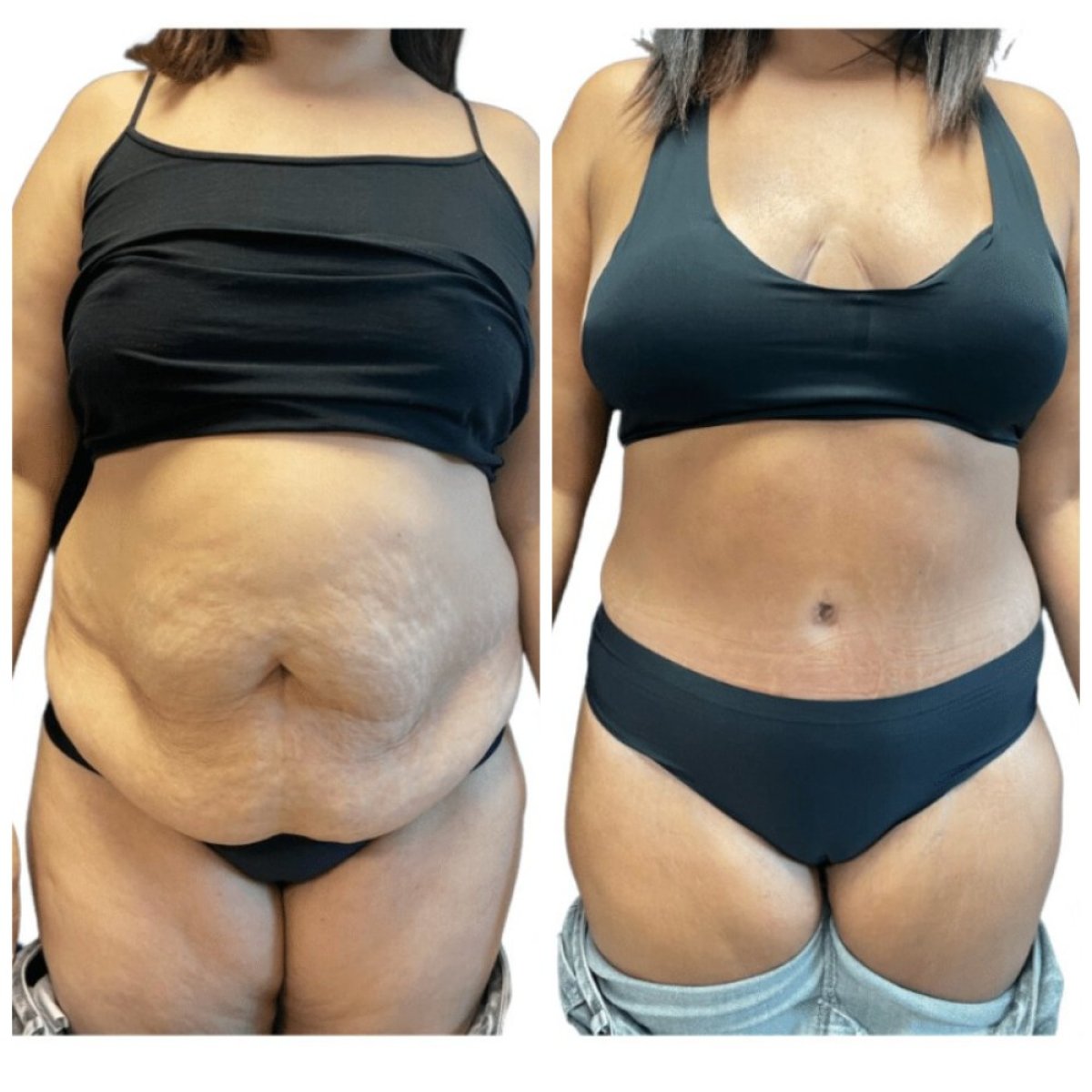
Хирургтар іштің артық терісін түзету үшін классикалық және шағын абдоминопластика жасайды. Егер тері сапасы жақсы болса, липосакцияның өзі аз инвазивті нұсқа ретінде жұмыс істей алады. Стандартты ішті тартудан кейінгі қалпына келтіру бір түн ауруханада жатуды және келесі күні шығарылуды қамтиды.
Қолды тарту (брахиопластика) салмақ жоғалтқаннан кейін қолдың ішкі жағындағы артық теріні емдейді. Май негізгі мәселе болған кезде, клиника қолдың айналмалы липосакциясын ұсынады. Бұл әдіс хирургиялық тыртықтардан аулақ болады. Бұл процедуралардан кейін 10 күн бойы күнделікті мейірбикелік күтім көрсетіледі.
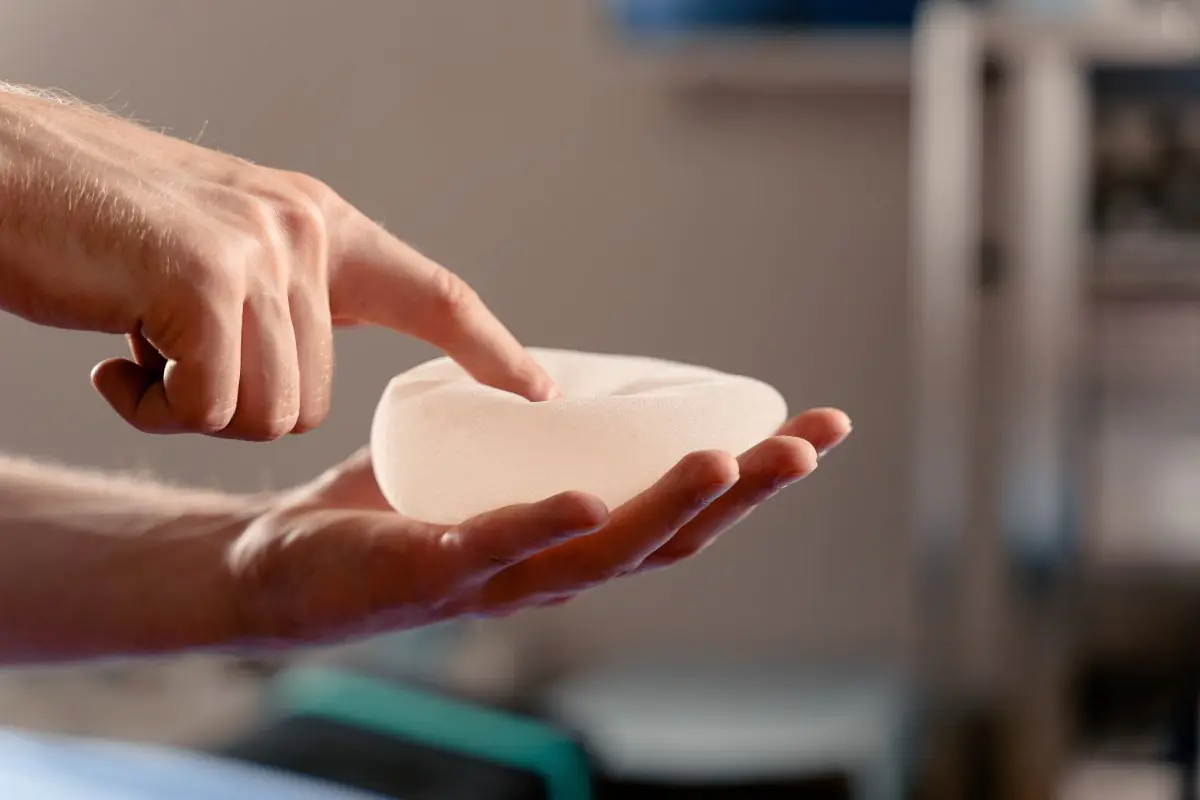
Кеуде процедураларына импланттармен үлкейту, кішірейту және салбыраған тіндерді көтеру үшін мастопексия жатады. Кеуде птозы бар пациенттер үшін тыртық үлгілері салбырау дәрежесіне қарай бейімделеді:
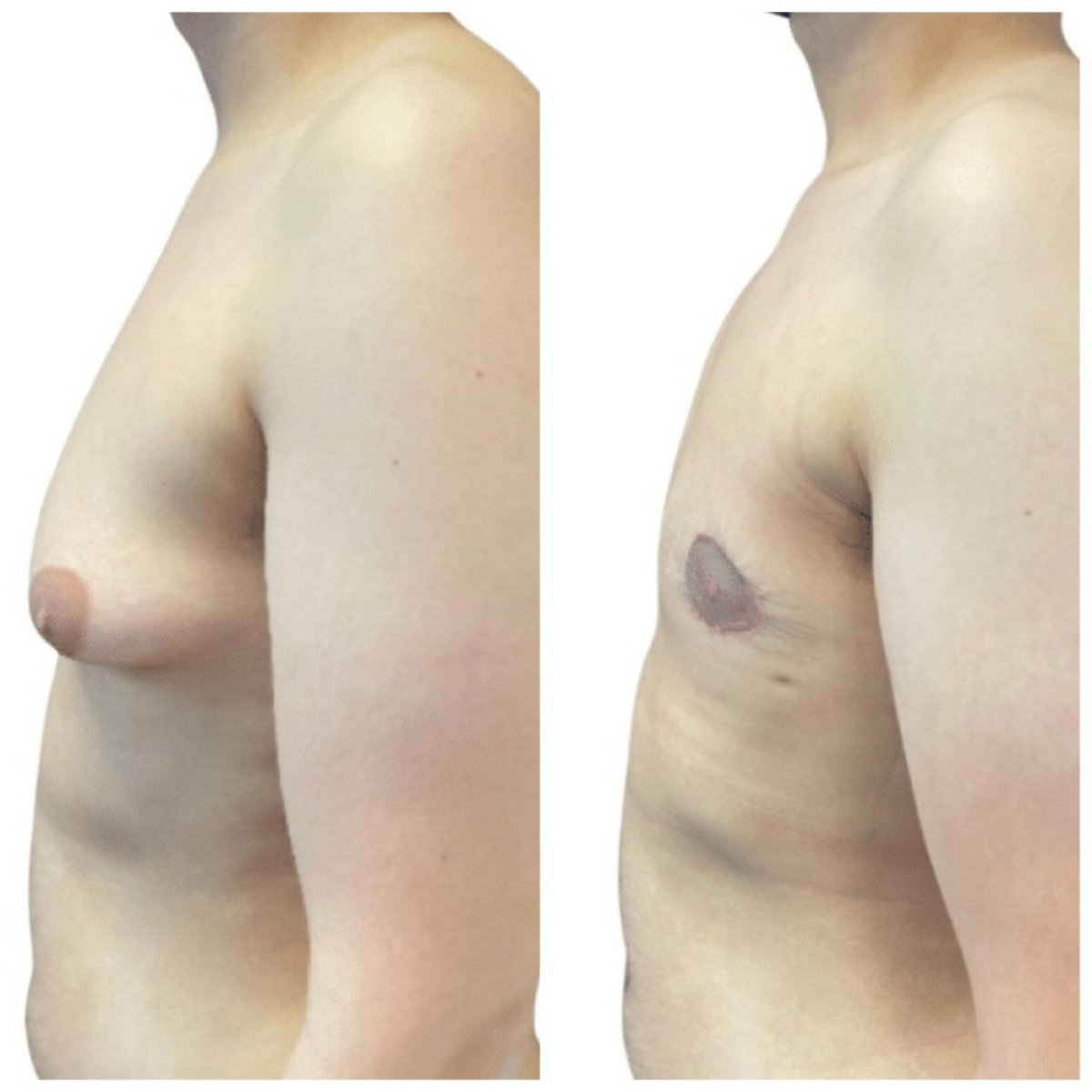
Реконструктивті қызметтер айтарлықтай салмақ жоғалтқаннан кейінгі жөндеуді және дерматологиялық хирургияны қамтиды. Бұған кисталарды, липомаларды және тері ісіктерін алып тастау кіреді. Келоидты тыртықтар үшін клиника тіндердің құрылымын жақсарту үшін кортикостероидты инъекцияларды немесе лазерлік емдеуді қолданады.
Хирургиялық емес емдеу әдістері бетті жасартуға және жергілікті көлемнің жоғалуына бағытталған. Клиника операциясыз көтеру әсерін жасау үшін гиалурон қышқылының инъекцияларын қолданады. Ботокс инъекциялары әжімдерді емдейді немесе шамадан тыс терлеуді азайтады. Бұл процедуралар теріні бағалағаннан кейін жеке кеңседе орындалады.
Хирургиялық қауіпсіздік қажетті операция алдындағы қадамдар арқылы басқарылады. Пациенттер хирургпен екі және анестезиологпен бір консультациядан өтуі керек. Арнайы диагностикалық талаптар емдеуді дәл жоспарлауды қамтамасыз етеді:
Бұл хаттамалар негізгі жағдайларды тексереді және пациенттің жалпы анестезияға дайындығын растайды. Операция күрделілігіне байланысты әдетте 90-150 минутқа созылады.
Халықаралық пациенттерге арналған күтім жолы бейнеконсультациядан басталады. Бұл хирургқа пациент саяхаттамас бұрын медициналық құжаттар мен фотосуреттерді қарап шығуға мүмкіндік береді. Консультациялар мен медициналық қолдау француз және ағылшын тілдерінде қолжетімді.
Бақылау күтімі бір жылға созылады. Бейнеконсультациялар 3, 6 және 12 айда жоспарланған. Бұл ұзақ мерзімді бақылау емделуді қадағалайды және пациент үйіне оралғаннан кейін нәтижелердің тұрақты болуын қамтамасыз етеді.
 Клиника жаңа сұраулар қабылдамайды
Орташа жауап уақыты - 5 минут
Клиника жаңа сұраулар қабылдамайды
Орташа жауап уақыты - 5 минут