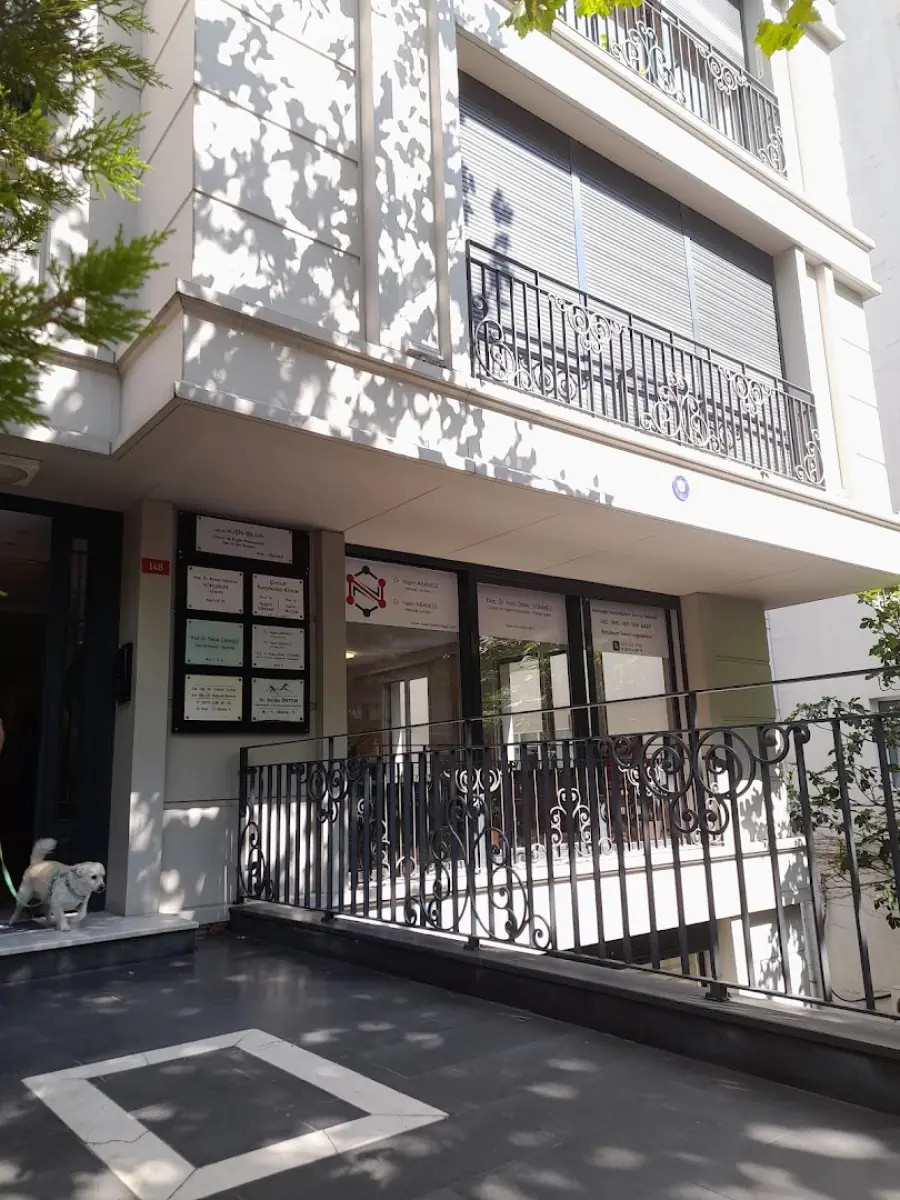
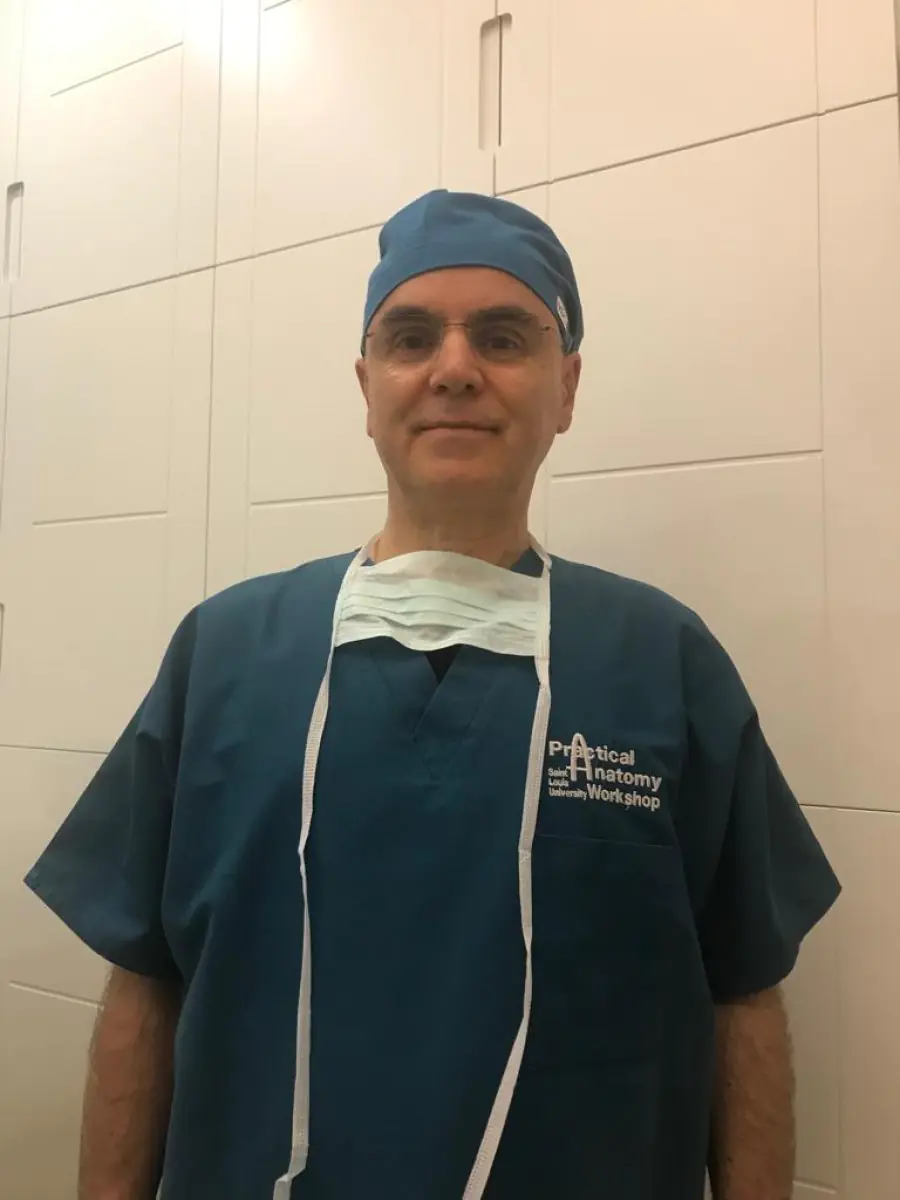
Доц. д-р Ахмет Йылдызхан — Ыстанбұлдың Шишли ауданындағы мамандандырылған нейрохирургиялық тәжірибе. Клиника омыртқа денсаулығына, атап айтқанда дискінің жарығы мен омыртқа каналының ауруларына назар аударады. Д-р Ахмет Йылдызхан медициналық көмекті басқарады, консервативті емдеуді де, хирургиялық араласуды да ұсынады. Операциялар Нишанташы ауруханасында өтеді.
Кәсіби жетістіктер мен мойындау
Д-р Ахмет Йылдызхан бірқатар беделді атақтар мен халықаралық марапаттарға ие. Ол Америка нейрохирургтар қауымдастығының халықаралық мүшесі (IFAANS). Оның кәсіби жолы Анкара университетіндегі медициналық білімді және Гүлхане әскери-медициналық академиясындағы нейрохирургия бойынша мамандануды қамтиды. Ол сонымен қатар Гарвард университетінде постдипломдық білім алған.
2014 жылы Кембридждегі Халықаралық өмірбаяндық орталық оны IBC денсаулық сақтау саласындағы үздік 100 маманның қатарына қосты. Ол сонымен қатар Кембридж құрметті зиялылар орденінің негізін қалаушы мүшесі. Д-р Йылдызханның ғылыми еңбектері жетекші медициналық оқулықтар мен жарияланымдарда келтірілген.
Омыртқа хирургиясы және нейрохирургия
Клиника микрохирургиялық әдістерді қолдана отырып, омыртқаның әртүрлі ауруларын емдейді. Медициналық команда бірнеше негізгі бағыттарға маманданған:
- Бел омыртқааралық дискінің жарығы
- Омыртқа стенозы (омыртқа каналының тарылуы)
- Мойын омыртқааралық дискінің жарығы
- Арқа омыртқааралық дискінің жарығы
- Омыртқа ісіктері
Бел омыртқааралық дискінің жарығы кезінде клиника шамамен 99% табыстылық көрсеткішін хабарлайды. Хирургтар жарық тінін алып тастау үшін микрохирургиялық және микроэндоскопиялық дискэктомияны қолданады. Бұл әдіс пациенттерге операциядан кейінгі күні немесе сол күні тұрып, жүруге мүмкіндік береді.
Омыртқа стенозы микротехникалық ішкі декомпрессия арқылы емделеді. Бұл тәсіл бұрандаларсыз немесе металл пластиналарсыз омыртқа каналын ішінен кеңейтеді. Бөтен денелердің болмауына байланысты процедура күрделі емес. Пациенттердің көпшілігі ауруханада тек бір күн қалады.
Диагностика және бағалау
Дәл диагноз егжей-тегжейлі анамнез жинаудан және физикалық тексеруден басталады. Содан кейін клиника омыртқа ауруының сатысы мен орнын растау үшін визуализация әдістерін қолданады. Қолжетімді диагностикалық құралдарға мыналар жатады:
- Магнитті-резонансты томография (МРТ) — жарықты бағалау үшін таңдаулы құрал
- Компьютерлік томография (КТ)
- Рентген
МРТ дискінің жарығының нақты сатысын анықтауда өмірлік маңызды рөл атқарады. Команда бұл суреттерді операция мен консервативті емдеу арасында таңдау жасау үшін қолданады. Егер пациент ерте сатыда болса, жаттығулар мен демалу сияқты хирургиялық емес әдістер ұсынылады.
Халықаралық пациенттерді қолдау және қалпына келу
Клиника қалпына келу процесінде халықаралық пациенттерге құрылымдық нұсқаулық береді. Операциядан кейінгі нұсқаулар жараны күту және физикалық белсенділік бойынша арнайы хаттамаларды қамтиды. Пациенттер бел корсетін ауруханадан шыққаннан кейін шамамен бір аптадан соң өздері шешеді. Жіптерді алудың қажеті жоқ, сондықтан пациенттер операциядан кейін көп ұзамай үйде жуына алады.
Қалпына келу күнделікті белсенділікті біртіндеп арттыруды қамтиды. Пациенттердің көпшілігі бір-үш апта ішінде қалыпты өмір салтына оралады. Оңалту жаттығулары операциядан үш ай өткен соң басталады. Бұл кідіріс физикалық жүктемені арттырмас бұрын омыртқаға жазылу үшін жеткілікті уақыт береді. Клиника ағылшын, неміс, араб және орыс тілдерінде қолдау көрсетеді.


 Клиника жаңа сұраулар қабылдамайды
 Орташа жауап уақыты - 5 минут
