Beverly Wilshire Medical Centre
Beverly Wilshire Medical Centre
Малайзия, Куала-Лумпур
Малайзияда шаш трансплантациясы әдетте $2,800 аралығында тұрады. Түпкілікті баға таңдалған әдіске, трансплантаттар санына және Куала-Лумпур мен Ампанг-Джая сияқты қалалардағы клиниканың орналасуына байланысты. Пациенттер АҚШ-пен салыстырғанда шамамен 30% үнемдейді, онда бұл процедура орта есеппен $4,000 тұрады. Көптеген клиникалар консультацияны және операциядан кейінгі күтім жинағын қамтиды.
Bookimed сарапшысының пікірі: Малайзия жоғары технология мен бәсекеге қабілетті бағаның бірегей үйлесімін ұсынады. Beverly Wilshire Medical Centre Халықаралық медициналық саяхат журналымен мойындалған. Бұл халықаралық пациенттер үшін әлемдік деңгейдегі стандарттарды білдіреді. Шашты қалпына келтірудің негізгі процедуралары жергілікті мамандандырылған клиникаларда шамамен 600 доллардан басталса да, бірнеше ғимараты және мамандандырылған бөлімшелері бар орталықтарды таңдау қауіпсіз ортаны қамтамасыз етеді. Mediviron UOA сияқты Солтүстік Америка мен Британия пациенттерін тартатын клиникаларды іздеген жөн. Бұл саяхатшылар үшін ағылшын тілін жоғары деңгейде меңгеруді және қызмет көрсету сапасын білдіреді.
| Малайзия | Түркия | АҚШ | |
| Шаш трансплантациясы | бастап $2,800 | бастап $1,500 | бастап $4,000 |
| Әйелдерге шаш трансплантациясы | ≈ $3,200 | бастап $1,700 | бастап $5,000 |
| Әйелдерге арналған маңдай шашын трансплантациялау | ≈ $2,800 | бастап $1,400 | ≈ $6,500 |
| Шашты қырмай көшіріп салу | ≈ $2,800 | бастап $1,800 | ≈ $8,000 |
| Шашты органикалық трансплантациялау | ≈ $3,500 | бастап $1,600 | ≈ $9,500 |
Сіз Bookimed қызметтері үшін төлемейсіз. Сайттағы шаш трансплантациясын бағалары клиниканың баға тізіміне сәйкес келеді. Сіз жеткенде тікелей клиникада төлейсіз. Бөліктермен төлеу қолжетімді.
Bookimed Сіздің қауіпсіздігіңізді қамтамасыз етеді. Біз тек шаш трансплантациясының жүргізу үшін жоғары халықаралық стандарттарға сәйкес келетін клиникалармен ғана жұмыс істейміз. Олардың бүкіл әлем бойынша халықаралық науқастарға қызмет көрсету үшін қажетті лицензиялары бар.
Bookimed тегін көмек және қолдау ұсынады. Жеке медициналық координатор сапарға дейін, кезінде және кейін Сізбен байланыста. Шаш трансплантациясы процедурасы кезінде Сіз басқа елде жалғыз қалмайсыз.
1 күн
Күн 2
Күн 3
Күн 4
Апта 1 - Апта 2
Апта 3 - Апта 4
Апта 5 - Апта 12
Ай 6 - Ай 12
Ескерту: Әр оқiғ жеке және қосымша сеанстар немесе процедуралар қажет болуы мүмкiн. Клиника шашты өсiру процедурасына мәңгiлiк кепiлдiк бередi. Тұрғын жай 4* қонақ үйде ұсынылады.
Малайзияда шаш трансплантациясының бағасы — пациенттердің бұл процедура үшін осы елді таңдауының негізгі себептерінің бірі. Төмен құн мыналармен түсіндіріледі:
Малайзиядағы мамандандырылған шаш трансплантациясы клиникалары әдетте процедура үшін пакеттік бағаны ұсынады. Оған мыналар кіреді:
Малайзияда шаш трансплантациясының құны трансплантация үшін қажетті трансплантаттар (фолликулалар жиынтығы) санына байланысты. Bookimed сайтында сұраныс қалдырыңыз, біз сіздің жеке жағдайыңыз үшін баға туралы ақпаратты береміз.
Жергілікті мамандар шаш трансплантациясы үшін тігіссіз FUE (Follicular Unit Extraction) әдісін қолдануды жөн көреді. Бұл Малайзиядағы және бүкіл әлемдегі ең жақсы шаш трансплантациясы нұсқаларының бірі. Процедура барысында дәрігер шашсыз аймаққа трансплантаттарды ауыстырады. Трансплантат — бұл 3-4 фолликуладан тұратын жиынтық. 1 шаршы см-ге келетін трансплантаттар саны пациенттің талаптарына және дәрігердің ұсыныстарына байланысты өзгереді.
FUE — Малайзиядағы хирургиялық емес шашты қалпына келтіру әдісі. Процедурадан кейін ешқандай тыртықтар мен іздер қалмайды. Тігіссіз FUE әдісі мыналар үшін қолданылуы мүмкін:
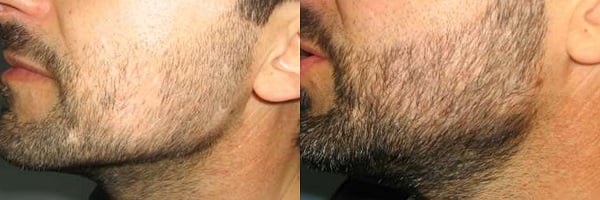
Малайзияда сақал трансплантациясы: бұрын және кейін
Малайзияда FUE әдісін қолдана отырып шаш имплантациясы кезең-кезеңімен орындалады:
Пациент Малайзиядағы шаш трансплантациясы клиникасына келеді. Дәрігерлер операция алдындағы барлық тексерулерді, соның ішінде гормондарға қан анализін жүргізеді. Егер нәтижелер қалыпты болса, келесі күні шаш трансплантациясы жасалады.
Шаш трансплантациясы процедурасы жергілікті жансыздандырумен 4-6 сағатқа созылады. Пациент ешқандай ауырсынуды сезбейді және дәрігер операция жасап жатқанда музыка тыңдай алады. Ауруханаға жату талап етілмейді.
Пациент дәрігерден кеңес алады, ол барлық ұсыныстарды береді және басты арнайы тәсілмен жуады. Пациент үйіне ұшып кете алады.
Малайзияда шаш трансплантациясынан кейін пациент мынадай ұсыныстарды орындауы керек:
Шаш трансплантациясынан кейін кейбір фолликулалар түсіп қалуы мүмкін. Бұл қалыпты жағдай — фолликулалар орнында шаш қайта өседі. Пациент процедурадан кейін 6-9 айдан соң толық нәтижені көре алады.
Шаш трансплантациясы үшін идеалды үміткерлердің шаш түсу үлгісі тұрақтанған және бастың артқы және бүйір бөліктерінде сау донорлық қорлары бар. Оңтайлы нәтижелер үміткерлер 25 жастан асқанда және диффузиялық сиреу немесе аутоиммундық шаш түсу емес, андрогенетикалық алопеция болған кезде байқалады.
Bookimed сарапшысының пікірі: Klinik De Palma сияқты малайзиялық клиникалар көлемге емес, пациенттерді таңдауға назар аудару арқылы 98-99% табысқа жету туралы хабарлайды. Деректер шекаралық үміткерлердің дің жасушаларымен жақсартылған процедураларға немесе органикалық трансплантацияға басымдық беру арқылы жоғары нәтижелерге қол жеткізетінін көрсетеді. Beverly Wilshire Medical Centre сияқты жетекші орталықтардағы бұл арнайы әдістер донорлық тығыздығы орташа адамдар үшін фолликулалардың өміршеңдігін айтарлықтай жақсарта алады.
Пациенттердің консенсусы: Пациенттер донорлық шаштың шектеулі ресурс екенін атап өтеді. Көпшілігі агрессивті шаш сызықтарына қарсы кеңес береді және болашақ табиғи қартаюды ескеретін консервативті, жасқа сай дизайнды таңдауды ұсынады.
Малайзиядағы шаш трансплантациясы провайдерлерін Малайзия медициналық кеңесінің (MMC) медициналық тізілімін тексеру арқылы белсенді лицензиясы бар екеніне көз жеткізіңіз. Мамандар Ұлттық мамандар тізілімінде (NSR) болуы керек. Эстетикалық процедуралар үшін хирургтар Денсаулық сақтау министрлігі берген Аккредиттеу және артықшылықтар хатын (LCP) иеленуі тиіс.
Bookimed сарапшысының пікірі: Beverly Wilshire Medical Centre сияқты көптеген малайзиялық клиникалар International Medical Travel Journal-дан беделді марапаттарға ие болғанымен, тек клиниканың брендіне сенбеңіз. Деректер мамандандырылған орталықтардың көбінесе белгілі бір процедуралардағы жетістіктерін көрсететінін көрсетеді, мысалы, Klinik De Palma белгілі бір жасушалық терапия үшін 99% табыс деңгейін хабарлайды. Клиниканың жалпы беделіне емес, әрқашан нақты хирургтың сіздің шаш түсу үлгіңізбен жұмыс істеу тәжірибесін растаңыз.
Пациенттер консенсусы: Тәжірибелі пациенттер әрбір хирургиялық қадамды, әсіресе экстракция мен имплантацияны кім жасайтынын нақты тексеруді ұсынады. Олар клиниканың лицензиясы ғана білікті хирургтың процедураның маңызды бөліктерін жеке өзі орындайтынына кепілдік бермейтінін ескертеді.
Малайзиядағы шаш трансплантациясы 90%-дан 95%-ға дейінгі типтік табыстылық деңгейіне жетеді, ал премиум мекемелерде бұл көрсеткіш 99%-ға дейін барады. Нәтижелер тұрақты, өйткені фолликулалар сиреуге генетикалық тұрғыдан төзімді донорлық аймақтардан алынады. Толық эстетикалық нәтижелер әдетте процедурадан кейін 12-18 ай ішінде көріне бастайды.
Bookimed сарапшысының пікірі: Малайзия ARTAS роботтандырылған жүйелері және Sapphire FUE сияқты жоғары технологиялық тығыздық опцияларымен ерекшеленеді. Деректер FUE стандарты болғанымен, Sapphire FUE таңдау көбінесе қалпына келуді тездететінін көрсетеді. Бұл дәстүрлі болат жүздерге қарағанда тезірек жазылатын кішірек кесулерге байланысты. Пациенттер бас терісінің жарақатын азайту үшін хирургтың осы дәл құралдарды қолданатынын тексеруі керек.
Пациенттердің ортақ пікірі: Көптеген пациенттер тұрақты шаш өскенге дейін бастапқы шок жоғалтуды және уақытша түсуді бастан кешіреді. Көпшілігі ұзақ мерзімді қанағаттану трансплантацияланбаған табиғи шашты қорғау үшін миноксидил сияқты дәрілерді қолдануға байланысты екенін атап өтеді.
Шаш трансплантациясынан кейін шаш түсуіне қарсы дәрі-дәрмектерді қабылдауды жалғастыру трансплантацияланбаған өз шашыңызды сақтап қалу үшін өте маңызды. Трансплантацияланған фолликулалар DHT-ге генетикалық тұрғыдан төзімді болғанымен, айналадағы шашыңыз әлі де сиреуге бейім болады. Күтім жасау болашақта бос орындардың пайда болуына жол бермейді және ұзақ мерзімді перспективада тұрақты, табиғи нәтижені қамтамасыз етеді.
Bookimed сарапшысының пікірі: Klinik De Palma және Beverly Wilshire Medical Centre сияқты Малайзия клиникалары көбінесе жоғары технологиялық қалпына келтіру құралдарын пайдаланады. Кейбіреулері стандартты дәрілермен қатар дің жасушаларымен жасартуды немесе арнайы жергілікті хаттамаларды ұсынады. Деректер көрсеткендей, осы озық терапияларды финастеридті жүйелі қолданумен біріктірген пациенттер ұзақ мерзімді перспективада шаш сызығының тұрақтырақ екенін хабарлайды.
Пациенттердің ортақ пікірі: Пациенттер дәрі-дәрмекті тоқтатқанына өкінетіндерін жиі айтады, өйткені айналадағы шаш уақыт өте келе сиреп кеткен. Көпшілігі финастеридтің хирургиялық инвестицияны көптеген жылдар бойы сақтау үшін ең маңызды құрал екенімен келіседі.
Пациенттердің көпшілігі 2-5 күн ішінде кеңсе жұмысына оралады, дегенмен толық физикалық қалпына келу 1-3 аптаға созылады. Бастапқы ісіну мен қызару әдетте 7 күн ішінде басылады. Трансплантацияланған шаштың түсуі 2-6 апта аралығында болады, содан кейін тұрақты жаңа өсу басталады.
Bookimed сарапшысының пікірі: Малайзия - шашты қалпына келтірудің жоғары көлемі үшін стратегиялық таңдау. Klinik De Palma клиникасының өзі жыл сайын 1000 пациентке мамандандырылған эстетикалық күтім көрсетеді. Қалпына келуді барынша байқалмайтындай ету үшін Куала-Лумпурдың жетекші орталықтарында қолжетімді шашты қырмай трансплантациялау (No Shave) әдісін қарастырыңыз. Бұл әдіс әлеуметтік белсенділікті тезірек қалпына келтіруге мүмкіндік береді, өйткені бар шашыңыз донорлық аймақтағы қабыршақтарды жасырады.
Пациенттердің ортақ пікірі: Бас терісінің тартылуына және тік күйде ұйықтау қажеттілігіне байланысты бірінші апта ең шектеулі болатынын күтіңіз. Көптеген адамдар уақытша түсу кезеңін эмоционалды түрде қиын деп санайды, бірақ нақты нәтижелер 6-12 ай аралығында біртіндеп көріне бастайды.
Малайзияда шаш трансплантациясынан кейін трансплантаттардың ығысуын болдырмау үшін 7-10 күн бойы қабылдау аймағына қол тигізбеу, қасымау немесе үйкемеу керек. Ісінуді азайту және жаңадан имплантацияланған фолликулалардың қауіпсіздігін қамтамасыз ету үшін қарқынды жаттығуларды, қатты терлеуді және күн сәулесінің әсерін дереу тоқтатыңыз.
Bookimed сарапшысының пікірі: Klinik De Palma сияқты клиникалар жоғары табыс көрсеткіштері туралы хабарлағанымен, трансплантаттың өміршеңдігі алғашқы 72 сағат ішінде үйкелістен аулақ болуға байланысты. Малайзиядағы пациенттер көбінесе шамадан тыс терлеуге әкелетін жоғары ылғалдылықты ескермейді, сондықтан климаттық бақылауы бар ортада болу - қалпына келтірудің айқын емес, бірақ өте маңызды қадамы.
Пациенттердің консенсусы: Көптеген пациенттер ең қиын бөлігі - қабыршақтар пайда болған кезде қасуға деген құлшынысқа қарсы тұру екенін атап өтеді. Хирург берген жуу кестесін дәл сақтау - бұл ыңғайсыздықты қауіпсіз басқарудың ең жақсы жолы.
Пациенттер Малайзиядағы процедурадан кейін шаш трансплантациясының соңғы нәтижелерін әдетте 12-18 ай аралығында көреді. Алғашқы шаш өскіндері шамамен 4-ші айда пайда болғанымен, толық тығыздыққа және шаштың жетілген құрылымына қол жеткізу үшін бас терісінде бір жылдан астам тұрақты өсу циклдары қажет.
Bookimed сарапшысының пікірі: Малайзияда ARTAS сияқты роботтандырылған нұсқалар қолжетімді болғанымен, Sapphire FUE немесе DHI сияқты мамандандырылған әдістер көбінесе трансплантаттарды дәлірек орналастыруды қамтамасыз етеді. Beverly Wilshire Medical Centre сияқты клиникалар бас терісінің жарақатын азайту үшін осы озық құралдарды жиі пайдаланады. Бұл тәсіл Малайзияның жоғары ылғалдылығында да қалпына келу процесін жеңілдетуге көмектеседі.
Пациенттердің ортақ пікірі: Алғашқы 4 ай ішінде қызару мен сиреу жиі кездесетін «ешнәрсе болып жатқан жоқ» кезеңіне дайын болыңыз. Пациенттердің көпшілігі прогресті бақылау үшін күнделікті айнаға қарағаннан гөрі, ай сайынғы фотосуреттерді салыстыру әлдеқайда жігерлендіретінін айтады.
Бұл беттегі барлық медициналық мазмұн арнайы медициналық білімі бар авторлар дайындаған және тиісті саладағы куәландырылған дәрігерлер тексерген. Медициналық қарау: Фахад Мавлюд, Медициналық редактор, Data Scientist.
Соңғы жаңарту: 10/16/2026.
Барлық деректер жалпы ақпараттық мақсаттарда ұсынылған және жеке нәтижелер мен тәжірибелерді білдірмеуі мүмкін.